
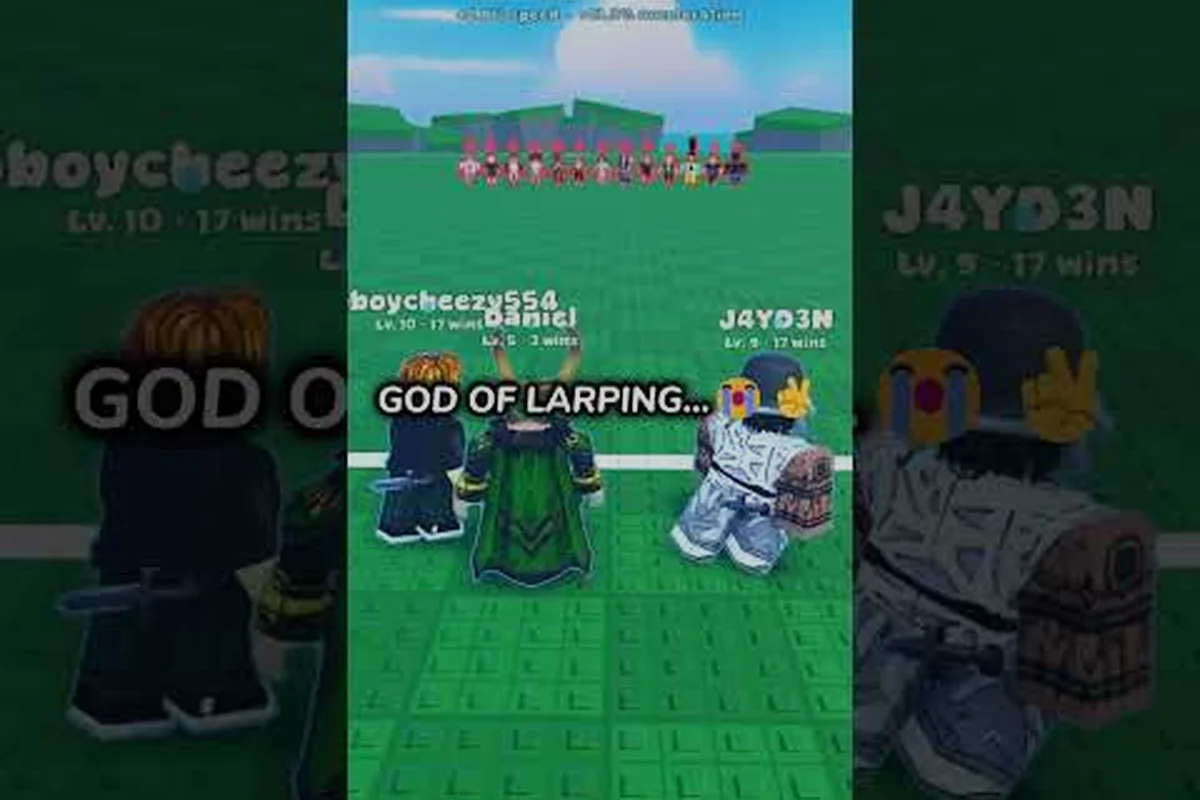
Gems are the only currency that matters in Huss Valley, and the fastest way to multiply your earnings is to understand how the huss valley gem boost stacks with private-server friends, role multipliers, and survival streaks. Most players grind solo and leave a huge amount of value on the table because they never see the full stacking formula in action. This guide breaks down every layer of the boost system so you can buy cosmetics and loadout upgrades without spending Robux.
How the Huss Valley Gem Boost Works
The huss valley gem boost is not a single flat bonus but a layered system that rewards coordinated play. According to the official Huss Valley page, gems are earned through normal play with no Robux required, and the payout scales with how long you survive as a Runner, how many danger-zone revives you complete, and how many tags you land as a Chaser. When you add friends to the lobby, a team boost activates on top of your base earnings, and private servers give you a controlled environment where the boost never gets interrupted by random queue variance.
The core mechanic works like this: your base gem payout is calculated from your score at the end of a round. Score comes from survival time, objective completion, revives, and tags. The huss valley gem boost then applies a percentage increase to that base payout, and the percentage grows when you play with friends in the same party. Community testing suggests the friend bonus is multiplicative with role multipliers rather than additive, which means a Runner who survives a full round with two friends earns significantly more than three solo players combined.
| Boost Layer | Trigger Condition | Approximate Effect |
|---|---|---|
| Base Payout | Complete any round | 100% of score-based gems |
| Friend Bonus | Party with 1+ friends | +10-20% per friend (community estimate) |
| Role Multiplier | Survive as Runner / tag as Chaser | +25-50% depending on performance |
| Private Server Control | Host a private lobby | Consistent rounds, no queue downtime |
| Survival Streak | Survive multiple rounds in a row | Escalating bonus per consecutive survival |
The exact percentages are not published by the developer, so treat the friend bonus numbers as community estimates rather than confirmed values. What is confirmed is that playing with friends grants a team boost, and that private servers add a controlled lobby for farming. The combination of these layers is what makes the huss valley gem boost so powerful when you stack them deliberately.
Why Solo Players Miss Most of the Value
Solo players only ever see the base payout plus whatever role multiplier they earn on their own. They never trigger the friend bonus, and they spend a meaningful chunk of each session waiting in queue or dealing with lobbies that disband after one round. The huss valley gem boost is designed to reward coordination, which means the gap between solo and party earnings widens the longer you play. For a complete breakdown of every gem source that stacks with the boost, the Huss Valley gems guide covers the full earn-rate table.
A solo Runner who survives five minutes might earn 40 gems. The same Runner in a three-person party with the friend bonus active might earn 60-70 gems for the identical survival time, because the team boost applies to the final payout rather than the base score. That difference compounds across a two-hour farming session, and it is the single biggest reason why experienced players refuse to grind gems alone.
Huss Valley Farming with Friends: Party Setup and Private Servers
Huss valley farming with friends is the most reliable way to generate a steady gem income because it removes the two biggest variables from the equation: random teammates and unpredictable queue times. When you host a private server, you control exactly who enters the lobby, which means every round starts with a full party of players who are all committed to the same farming goal. The official page confirms that private servers add a controlled lobby for farming, and that is precisely what makes this method so consistent.
The setup process is straightforward. One player hosts the private server, then invites two to five friends who understand the farming rotation. The group agrees on a role split before the first round starts: one or two players volunteer as Chasers, and the rest play as Runners. This split matters because Chasers earn gems from tags and round wins, while Runners earn from survival time and revives. A balanced party ensures both roles generate value every round.
| Farming Setup | Ideal Party Size | Role Split | Primary Gem Source |
|---|---|---|---|
| Solo Queue | 1 | Random | Base payout only |
| Small Party | 2-3 | 1 Chaser, 1-2 Runners | Friend bonus + role multiplier |
| Full Private Lobby | 4-6 | 2 Chasers, 2-4 Runners | Max friend bonus + controlled rounds |
| Rotating Roles | 3-4 | Swap Chaser each round | Balanced earnings for all players |
The rotating-roles setup deserves special attention because it solves the fairness problem that often kills farming groups. If one player is stuck as Chaser every round, they earn a different gem profile than the Runners, and resentment builds. Rotating the Chaser role every round keeps everyone's earnings roughly equal while still triggering the full huss valley gem boost on every payout.
Private Server Etiquette for Maximum Uptime
Private servers only pay off if you keep rounds moving. A common mistake is spending five minutes between rounds discussing strategy or waiting for a friend to grab a drink. The huss valley gem boost rewards volume, which means you want short, efficient rounds with minimal downtime. Set a rule before you start: when a round ends, the next round begins within 60 seconds.
Another key practice is agreeing on a revive priority. Runners who revive downed teammates in danger zones earn bonus score, and that score feeds directly into the gem payout. If your party treats revives as optional, you are leaving a chunk of the huss valley gem boost on the table every round. Coordinate so that one Runner always goes for the revive while the others keep the Chaser distracted.
Huss Valley Gems for Cosmetics: What the Boost Actually Buys
Huss valley gems for cosmetics is the most common spending goal for players who stack the boost, and it is worth understanding exactly what your boosted earnings can buy. The official page makes an important distinction: cosmetics remain optional and never grant power. That means every gem you spend on cosmetics is a pure expression of style, not a competitive advantage. Ability unlocks and loadout upgrades are the functional purchases, while cosmetics are the long-term collection goal.
The huss valley gem shop items fall into a few broad categories. Ability unlocks are the first priority for new players because they expand what your character can do in a round. Loadout upgrades come next, improving your effectiveness as either Runner or Chaser. Cosmetics sit at the top of the priority list as the aspirational purchases that keep you farming after your functional kit is complete.
| Shop Category | Gem Cost Range | Functional Impact | Purchase Priority |
|---|---|---|---|
| Ability Unlocks | Low to mid | High — new mechanics | First |
| Loadout Upgrades | Mid | Medium — stat improvements | Second |
| Runner Cosmetics | Mid to high | None — visual only | Third |
| Chaser Cosmetics | Mid to high | None — visual only | Third |
| Limited Cosmetics | High | None — visual only | Last |
Because cosmetics never grant power, the huss valley gem boost is not a pay-to-win mechanic. It simply accelerates how quickly you can reach the cosmetic tier of the shop. A player who stacks the boost consistently might unlock a full cosmetic set in a week, while a solo player grinding the same hours might need two or three weeks for the same purchase.
Why Cosmetics Are the Real Endgame
Once your abilities and loadout are maxed, cosmetics become the only remaining gem sink, and that is where the huss valley gem boost shows its true value. The most desirable huss valley gem shop items are often limited-time releases that rotate out of the shop, which creates urgency. If you want a specific limited cosmetic, you need a gem income fast enough to buy it before it disappears.
This is where farming with friends becomes essential rather than optional. A solo player might watch a limited cosmetic rotate out of the shop because they could not earn the gems in time. A party of three or four players stacking the boost can pool their round volume and hit the price threshold in a fraction of the time. The boost does not change what the cosmetic costs; it changes whether you can afford it before the timer runs out.
Huss Valley Gem Stack: Combining Every Multiplier
The huss valley gem stack is the full formula that experienced players use to maximize every round. It combines the friend bonus, role multiplier, survival streak, and private server consistency into a single optimized farming session. Understanding how these layers interact is the difference between earning 40 gems per round and earning 80 or more for the same time investment.
The stacking order matters because some bonuses are multiplicative while others are additive. Community testing suggests the friend bonus multiplies your role-adjusted payout, while survival streaks add a flat bonus on top. That means the optimal stack is: survive as long as possible as a Runner to build your base score, trigger the role multiplier through revives and objective completion, then let the friend bonus multiply that total. The private server ensures you can repeat this stack every round without interruption.
| Stack Layer | Type | Applies To | Stacking Behavior |
|---|---|---|---|
| Base Score | Additive | Round performance | Foundation |
| Role Multiplier | Multiplicative | Base score | Multiplies base |
| Friend Bonus | Multiplicative | Role-adjusted total | Multiplies adjusted total |
| Survival Streak | Additive | Final payout | Flat bonus on top |
| Private Server | Consistency | All layers | Removes downtime |
The huss valley gem stack is not something you trigger accidentally. It requires a deliberate setup: a private server, a party of friends who understand the rotation, and a role split that keeps both Runners and Chasers earning. When all of those pieces are in place, the stack produces a gem income that makes solo grinding look like a waste of time.
The Survival Streak Layer
Survival streaks are the most underrated part of the huss valley gem stack because they reward consistency rather than flashy plays. If you survive three rounds in a row as a Runner, the streak bonus escalates on each consecutive survival. Dying once resets the streak, which means the optimal strategy is to prioritize survival over risky objective plays once your streak is active.
This creates an interesting tension in farming parties. The Runner who goes for dangerous revives earns more score per round, but they also risk dying and resetting their streak. The best farming groups assign one Runner as the designated reviver while the others play conservatively to protect their streaks. That division of labor keeps the huss valley gem boost active on every payout while still capturing the revive bonus.
Huss Valley How Long to Earn Gems: Realistic Time Estimates
Huss valley how long to earn gems is the question every new player asks, and the answer depends almost entirely on whether you stack the boost or grind solo. A solo player earning base payouts might need several hours to afford a mid-tier cosmetic, while a coordinated party stacking the huss valley gem boost can hit the same target in a fraction of the time. The time estimates below are based on community reports and assume average round performance.
| Farming Method | Gems per Hour (Estimate) | Time to Mid Cosmetic | Time to High Cosmetic |
|---|---|---|---|
| Solo Queue | 150-250 | 4-6 hours | 8-12 hours |
| Small Party (2-3) | 300-450 | 2-3 hours | 4-6 hours |
| Full Private Lobby (4-6) | 500-700 | 1-2 hours | 2-4 hours |
| Optimized Stack | 700-900 | Under 1 hour | 1-2 hours |
These numbers are estimates based on community data, not official figures, and your actual earnings will vary with skill, round length, and how consistently you execute the stack. The key takeaway is the gap between solo and optimized play: the huss valley gem boost can cut your farming time by 70% or more when you stack every layer.
What Slows Down Solo Players
Solo players lose time in three places: queue downtime between rounds, lobbies that disband after one match, and the complete absence of the friend bonus. Each of those factors chips away at your effective gems-per-hour, and together they explain why solo farming feels so slow even when your per-round performance is solid. The huss valley gem boost addresses all three by putting you in a private server with a committed party.
The other hidden cost of solo play is inconsistency. A solo player might have a great round followed by three bad rounds because random teammates change the lobby dynamic. A private party removes that variance, which means your gem income becomes predictable. Predictability is what allows you to plan purchases, and planning is what turns gem farming from a grind into a routine.
Frequently Asked Questions
Does the huss valley gem boost work in public lobbies?
Yes, the friend bonus activates in public lobbies when you queue with a party, but the private server layer is what makes the boost consistent. Public lobbies still have queue variance and random teammates, so your effective gems-per-hour will be lower than a controlled private lobby.
How many friends do I need to maximize the boost?
Community testing suggests the friend bonus scales with each additional party member, with diminishing returns after three friends. A party of three or four players hits the sweet spot between bonus size and coordination overhead, while larger parties add complexity without proportional gains.
Do huss valley gems for cosmetics ever go on sale?
The shop rotates limited cosmetics on a schedule, but permanent gem price reductions are rare. The most reliable way to afford cosmetics faster is to stack the huss valley gem boost rather than waiting for a sale that may never come.
Can I earn gems as a Chaser while farming with friends?
Yes, Chasers earn gems from tags and round wins, which makes a rotating role split the fairest farming setup. The Chaser gem earnings breakdown explains how tag counts and round victories feed into your payout.
Is the huss valley gem stack worth the setup time?
For players who want cosmetics or loadout upgrades quickly, the setup time pays for itself within the first hour. A private server takes two minutes to configure, and the huss valley gem boost then compounds across every round you play with your party.