
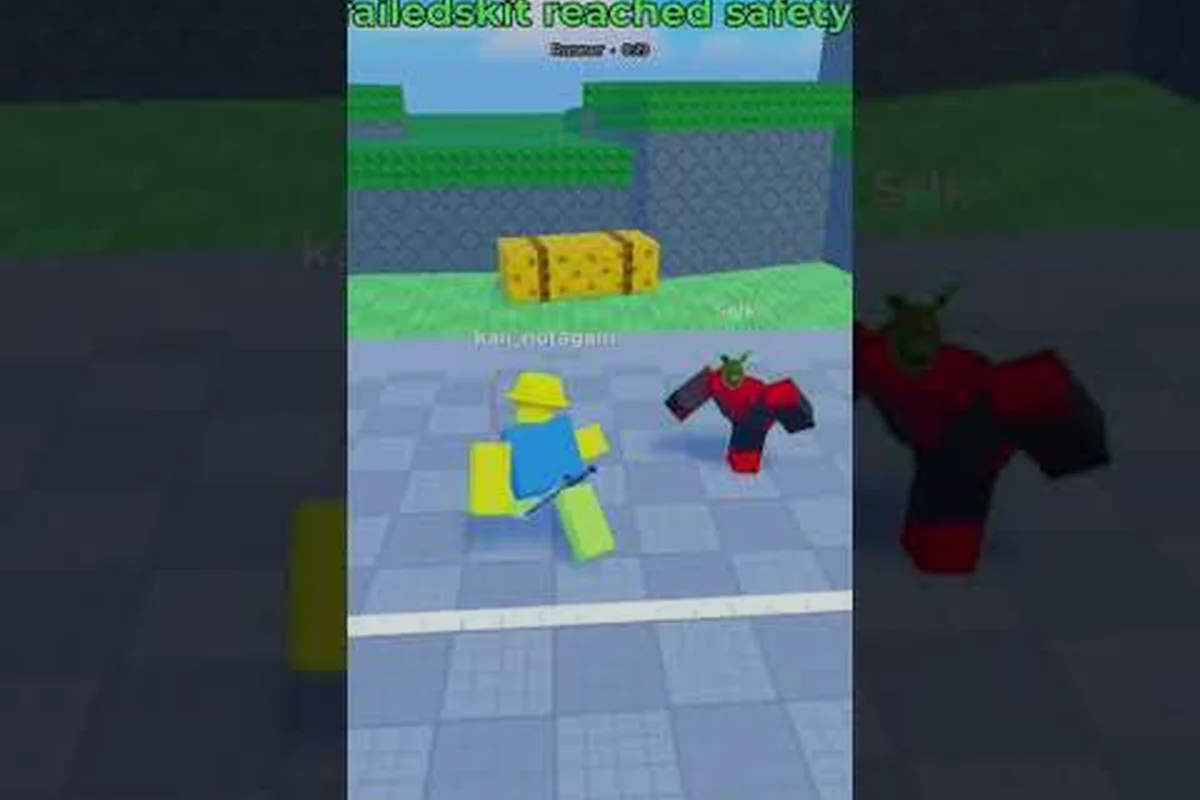
Winning the MVP slot as a runner in Huss Valley is not about raw sprint speed; it is about controlling your character's animation states so the Chaser never gets a clean swing. The difference between an average survivor and a huss valley match mvp runner comes down to how well you manage recovery frames, ability timing, and route commitment. This guide breaks down the exact movement loop, loadout choices, and combo sequences that let you escape three rounds consistently, while the dedicated Huss Valley Runner Guide details the full map-by-map pathing and spawn logic behind those escapes.
According to the official Huss Valley experience page, the MVP runner mechanic is tracked through the match’s in-game performance data, which records each player’s objective progress and survival time to determine the post-match award.
Core Movement Loop and Recovery Frame Discipline
The official movement kit for runners in Huss Valley revolves around four core inputs: Vault (Space) to clear obstacles, Slide (C) to duck under low cover and cut through alleyways, Shiftlock (Left Control) to face the Chaser while backpedaling, and Sprint plus ability dashes for burst speed. Each of these actions carries a hidden cost: the recovery window after the animation ends. If you commit to a vault too late, you get caught mid-animation, which is the single most common reason runners go down in the first two rounds.
Understanding when to commit early is the foundation of avoiding recovery frames. Advanced runners bait the Chaser with fake direction changes and jukes, a community technique often called an anklebreaker, during the moments when the Chaser is locked into their own swing or lunge animation. Breaking line of sight through houses and narrow corridors gives you the space to finish a slide or vault without being punished. The key principle is simple: never start a movement action you cannot finish before the Chaser's next attack lands. For the full decision tree behind each dodge, the Huss Valley how to dodge the Chaser guide covers the specific baits that convert a committed Chaser animation into a free escape.
| Movement Action | Input | Recovery Risk | Best Use Case |
|---|---|---|---|
| Vault | Space | High if triggered late | Clearing fences and window ledges |
| Slide | C | Medium, cancels into sprint | Ducking under low cover, alley cuts |
| Shiftlock | Left Control | Low, keeps camera locked | Backpedaling while tracking Chaser |
| Sprint Dash | Ability-dependent | Varies by ability | Burst speed, gap creation |
The table above summarizes the risk profile of each core action. Vault carries the highest recovery risk because the animation locks your vertical movement for a fixed duration, while Slide is safer because it can flow directly into a sprint. Shiftlock is the least risky because it does not interrupt your movement state; it only changes your camera orientation. Practice chaining slide into sprint before you attempt advanced vault baits, because the slide-to-sprint transition has almost no recovery frames and is the safest way to create distance.
Runner Loadout Priorities for MVP Performance
Your huss valley runner loadout should prioritize abilities that either shorten recovery frames or give you a second movement option when the first one fails. Community testing consistently shows that runners who stack mobility and utility abilities survive longer than those who chase raw speed stats. The reason is straightforward: a single dash ability leaves you vulnerable during its cooldown, while a loadout with two complementary movement tools lets you rotate between them without ever standing still.
The best runner loadouts follow a simple rule: one primary escape tool, one secondary repositioning tool, and one utility that helps your team. This structure gives you an answer for every situation, from open-field chases to tight indoor loops. Avoid loadouts that double up on the same type of dash, because overlapping recovery frames create dead zones where you have no safe movement option.
| Loadout Slot | Recommended Type | Why It Works |
|---|---|---|
| Primary Escape | Dash or teleport ability | Creates instant gap, breaks line of sight |
| Secondary Reposition | Speed boost or wall climb | Rotates between cooldowns, extends chase |
| Utility | Team heal or slow trap | Buys time for revives, punishes overcommitment |
| Passive | Reduced recovery frames | Directly counters the Chaser's punish window |
When you build around reduced recovery frames as a passive, you effectively shrink the window where the Chaser can land a hit after your movement action. This passive is underrated by newer players because it does not show up as a flashy number, but it is the single highest-value stat for consistent survival. Pair it with a dash ability that has a short animation, and you can chain movement actions with almost no downtime.
Best Abilities for Runner Survival and MVP Scoring
The huss valley best abilities for runner playstyle fall into three categories: burst mobility, recovery reduction, and information control. Burst mobility abilities let you escape bad positions instantly, recovery reduction abilities make every movement action safer, and information control abilities help you avoid bad positions in the first place. A balanced kit draws from at least two of these categories so you never rely on a single answer.
Burst mobility is the most obvious category, but it is also the easiest to waste. A dash used too early puts you in the open with no cooldown, while a dash used too late gets interrupted by the Chaser's attack. The timing rule is to dash when the Chaser commits to a swing or lunge, not when they are still in neutral. This forces them to recover from their own animation while you are already creating distance.
| Ability Category | Example Effects | MVP Value |
|---|---|---|
| Burst Mobility | Dash, teleport, leap | Escapes bad positions, creates gaps |
| Recovery Reduction | Faster vault, shorter slide lock | Makes every action safer |
| Information Control | Reveal Chaser, mark routes | Avoids ambushes, plans escapes |
| Team Utility | Heal, revive boost, slow trap | Earns MVP points, extends rounds |
Information control abilities are the sleeper pick for MVP scoring because they generate value even when you are not being chased. Revealing the Chaser's position lets your team rotate safely, and marking routes helps teammates avoid dead ends. The MVP system rewards survival time and team contribution, so a runner who keeps teammates alive through information and utility often outranks a solo runner who simply survives longer.
Runner Combo Guide for Last-Second Escapes
The huss valley runner combo guide centers on chaining movement actions so the Chaser never gets a clean punish window. The most reliable combo is Slide into Sprint Dash into Vault, which covers a long distance while keeping your hitbox low for the first portion of the sequence. This combo works because the slide cancels into sprint with almost no recovery, and the vault at the end breaks line of sight through a window or fence.
A more advanced sequence is Shiftlock backpedal into fake direction change into dash, which is the core of the anklebreaker technique. By holding Shiftlock, you keep the Chaser in view while moving backward, then commit to a dash in the opposite direction the moment they swing. This forces the Chaser to recover from their attack animation while you are already moving away, creating a window for a huss valley last second escape through a nearby house or alley.
| Combo Sequence | Input Order | Purpose | Difficulty |
|---|---|---|---|
| Slide to Sprint | C → Sprint | Safe gap creation, low recovery | Beginner |
| Vault to Slide | Space → C | Clears obstacle, then ducks under cover | Intermediate |
| Shiftlock Juke | Left Control → fake direction → dash | Bait Chaser swing, escape opposite side | Advanced |
| Full Escape Chain | Slide → Sprint → Vault → Dash | Maximum distance, breaks line of sight | Advanced |
The full escape chain is the highest-value combo for MVP runners because it combines three movement actions with a dash finisher, covering enough distance to break line of sight entirely. Practice each component separately before chaining them, because a failed vault at the end of the sequence leaves you exposed with no cooldown available. The timing window for the final dash is tight, so commit early when you see the Chaser closing the gap.
Route Planning and Chaser Prediction
Surviving as a huss valley match mvp runner requires more than mechanical execution; you also need to read the Chaser's intentions and plan routes that minimize open-field exposure. The best runners always know where the nearest house, alley, or vaultable obstacle is, because those are the tools that break line of sight and force the Chaser to guess your next move. Route planning is not about memorizing the map; it is about maintaining a mental list of escape options at all times.
When the Chaser commits to a direction, they telegraph their next move through their movement path and ability usage. A Chaser who burns their gap-closer early is vulnerable to a sudden direction change, while a Chaser who saves their abilities is likely waiting for you to commit to a vault or slide. Reading these patterns lets you bait out their cooldowns and then escape through the route they can no longer cover.
| Chaser Behavior | What It Means | Runner Response |
|---|---|---|
| Early gap-closer | Aggressive, low patience | Juke early, force them to overcommit |
| Saved abilities | Patient, waiting for your mistake | Use safe actions only, avoid risky vaults |
| Wide positioning | Cutting off routes, herding you | Break line of sight, rotate through houses |
| Tight chase | Committed to the kill | Use full escape chain, burn all cooldowns |
The wide positioning pattern is the most dangerous for runners because it means the Chaser is actively herding you toward a dead end. When you notice the Chaser taking wide angles instead of chasing directly, stop moving forward and rotate through the nearest house or alley. Breaking line of sight forces the Chaser to guess which exit you will take, and that guess is where you create the opening for a last-second escape.
Frequently Asked Questions
What makes a runner the match MVP in Huss Valley?
The MVP system rewards survival time, team contribution, and objective play rather than raw kills or speed. A runner who survives all three rounds, revives teammates, and consistently breaks line of sight will outscore a solo runner who simply avoids the Chaser. Utility abilities and information control generate hidden MVP value that many players overlook.
How do I avoid recovery frames on vaults and slides?
Commit to the action early, before the Chaser is in punish range, and never start a vault or slide you cannot finish before their next attack lands. The slide-to-sprint transition has almost no recovery frames, so practice chaining those two actions first. Reduced recovery frame passives directly shrink the punish window and make every movement action safer.
Which abilities are best for a runner loadout?
A balanced loadout includes one primary escape tool, one secondary repositioning ability, and one team utility. Dash or teleport abilities create instant gaps, speed boosts rotate between cooldowns, and heal or slow trap abilities earn MVP points through team contribution. Avoid stacking two dashes, because overlapping recovery frames create dead zones.
What is the best combo for a last-second escape?
The full escape chain of slide into sprint into vault into dash covers the most distance while breaking line of sight. Start with the slide to keep your hitbox low, flow into sprint for speed, vault through a window or fence, then dash in a different direction to force the Chaser to guess. Practice each component separately before chaining them together.
How do I read the Chaser's movement patterns?
Watch whether the Chaser burns their gap-closer early or saves it for your mistake. Early ability usage signals aggression, so juke early and force overcommitment. Saved abilities signal patience, so stick to safe actions and avoid risky vaults. Wide positioning means the Chaser is herding you, so rotate through houses to break line of sight immediately.